Table Of Content

The life expectancy of mice tends to vary from one species to another. They may suffer from some diseases like cancer, heart failure, and kidney failure which is one of the reasons for their death. The wild mice have a short lifespan due to the presence of harsh environments and natural predators like cats, dogs, snakes, and birds.
What to Do if a House Mouse Touches or Bites You
This includes proper enclosures, housing, and for the best results, a partner. It is believed that pet mice do better when they have a constant companion. The difference between the different species of mice lifespans is likely impacted by their habitat and exposure to predators. Snap traps, electronic traps, and glue boards are not humane. You also have to collect the mouse and dispose of it after it's dead, which can be unsafe.
How do you make a mouse come out of hiding?
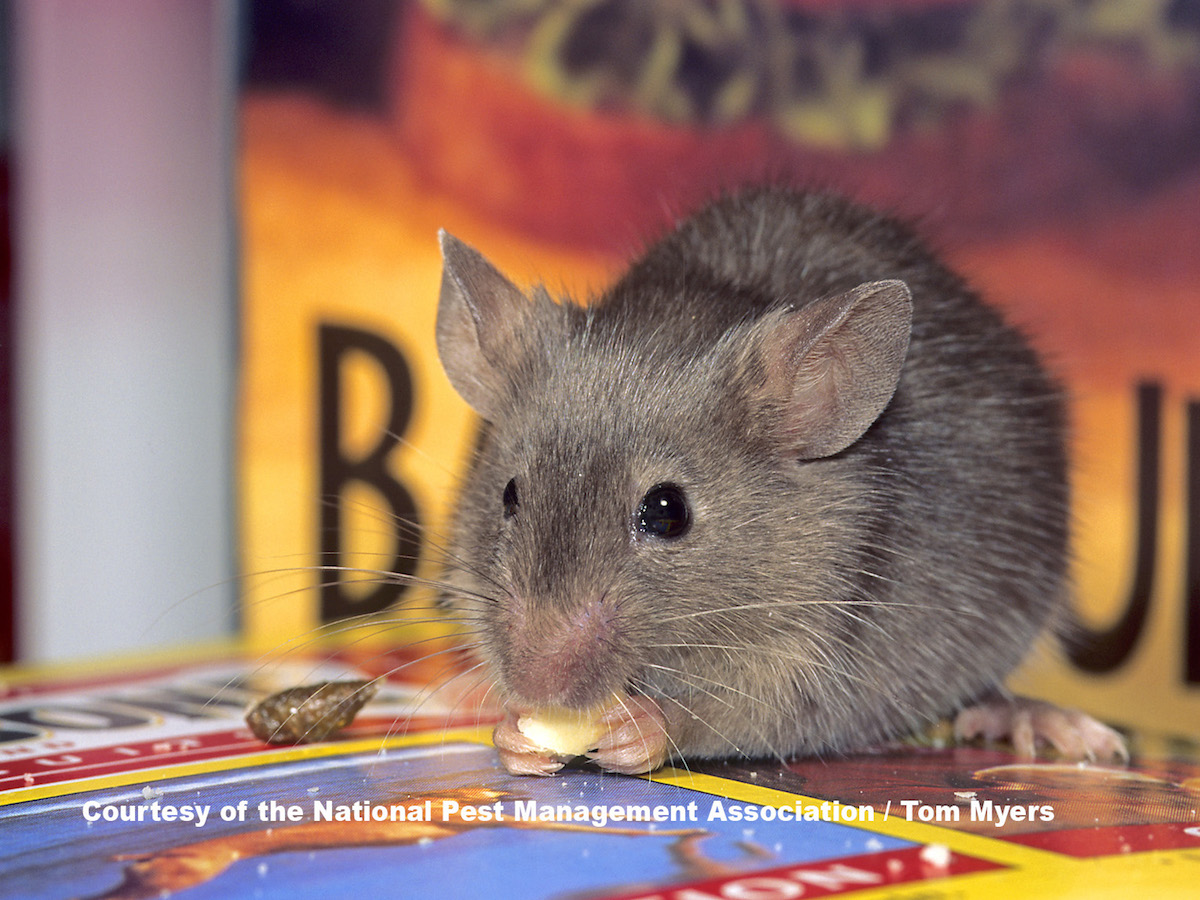
As you can see, several factors can determine how long a mouse will live. While pet mice have a better opportunity to reach their full expectancy of 2 years, it is still their wild mice cousins who have the longest lifespans. Unfortunately, wild mice rarely reach their life expectancy of 5 years unless they are brought into captivity. Luckily, pet owners who have pet mice, they’ll get to spend a few years with their companions and provide them with the best life possible. This is when males use their ultrasonic songs and special scents to attract a female. Once mating is done, females will deliver a litter within days.
Seeing ‘evolution in real time’: Mice blend in to survive NOVA - PBS
Seeing ‘evolution in real time’: Mice blend in to survive NOVA.
Posted: Thu, 31 Jan 2019 08:00:00 GMT [source]
Environment and Conditions
The mice adapt to their environment better in urban areas as they eat all the scraps as food. The mouse which is kept as a pet is fed with a special mouse diet which increases their life span, for sure they get more care than the wild ones. The white-colored mouse is most commonly kept as a pet in homes. The mouse is the most successful mammalian genera living on the earth due to its fast adaptivity and can live in almost every environmental condition.
Taking a ‘wait and see’ approach to pest control runs the risk of exposing yourself and your family to the various mouse problems. For example, they can spread diseases such as the potentially life-threatening hantavirus. They destroy wooden doors, clothes and can make chaos in your home.
Ridding Homes of Rodents
Their fur color may vary from light brown to dark gray, though it depends on where the mouse lives. Their noses are pointed, and their ears are large with little hair. The body of a house mouse is anywhere between 2.5 and 3.75 inches long, while its tail is typically 2.75 to 4 inches long. The house mouse (Mus musculus) is a small mammal of the order Rodentia, characteristically having a pointed snout, large rounded ears, and a long and almost hairless tail.
Mouse Life Cycle
There are only 50% of wild mice who live longer than 5 months. When the female mouse is pregnant it takes about 21 days to give birth. When the mice pups are born they lack eyesight, ears, and fur on their bodies which eventually grows around two weeks.
Wildlife Informer
How the house mouse tamed itself - Science News Magazine
How the house mouse tamed itself.
Posted: Wed, 19 Apr 2017 07:00:00 GMT [source]
House mice almost always live near humans, in or around houses and in fields. House mice should be controlled because they can transmit diseases, and their droppings can spoil foods. While rats are more harmful to humans than mice, mice cause far significantly greater damage to clothing, furniture, books, and many other household items. Female mice reach breeding age by around 6 weeks old, males reach breeding age by about 8 weeks old. There can be between 3-14 pups (mouse babies) per litter and females can produce between 5-10 litters per year. Mus musculus is characterized by tremendous reproductive potential.
Animal Care Resources
Mouse urine fluoresces under UV light, so while it’s hard to see normally, an inexpensive blacklight will quickly reveal it. There are also diseases that can be passed indirectly from rodents to humans, through fleas and other pests they carry. Sometimes they’ll use glue traps – these are very inhumane and cause a lot of undue suffering for the mice that get trapped in them. So if they plan to use glue traps ask them to use traditional mouse traps instead.
Odours of unfamiliar male mice may terminate pregnancies, i.e. the Bruce effect. By two weeks of age, their eyes and ears have opened and they have grown hair. Check out detailed photographs of the weekly development of mice stages.
Fortunately, the lifespan of a mouse is relatively short. However, as noted above, they can do a substantial amount of damage to your home and cause harm to you and your family during their brief time. In captivity, their average lifespan is about two years, however, some animals have lasted up to six years and a few months. Most mice do not live longer than months in their natural wild habitat. In the wild, populations are also limited by a lack of food or water, disease, and damage. A mouse's typical lifespan or life expectancy in this environment is frequently less than a year.
Mice cause both damage and the spread of disease, problems made much worse by their high birth rate. On average, an adult female mouse can have over 60 babies in one year. House mice contribute to the spread of several human and animal diseases, including bubonic plague. They also carry a virus that may contribute to breast cancer in humans. Where abundant, house mice consume large quantities of crops and contaminate foods with their droppings. They can destroy woodwork, furniture, upholstery, and clothing.


No comments:
Post a Comment